Charlie
hook.
hook.
James
hook.
hook.
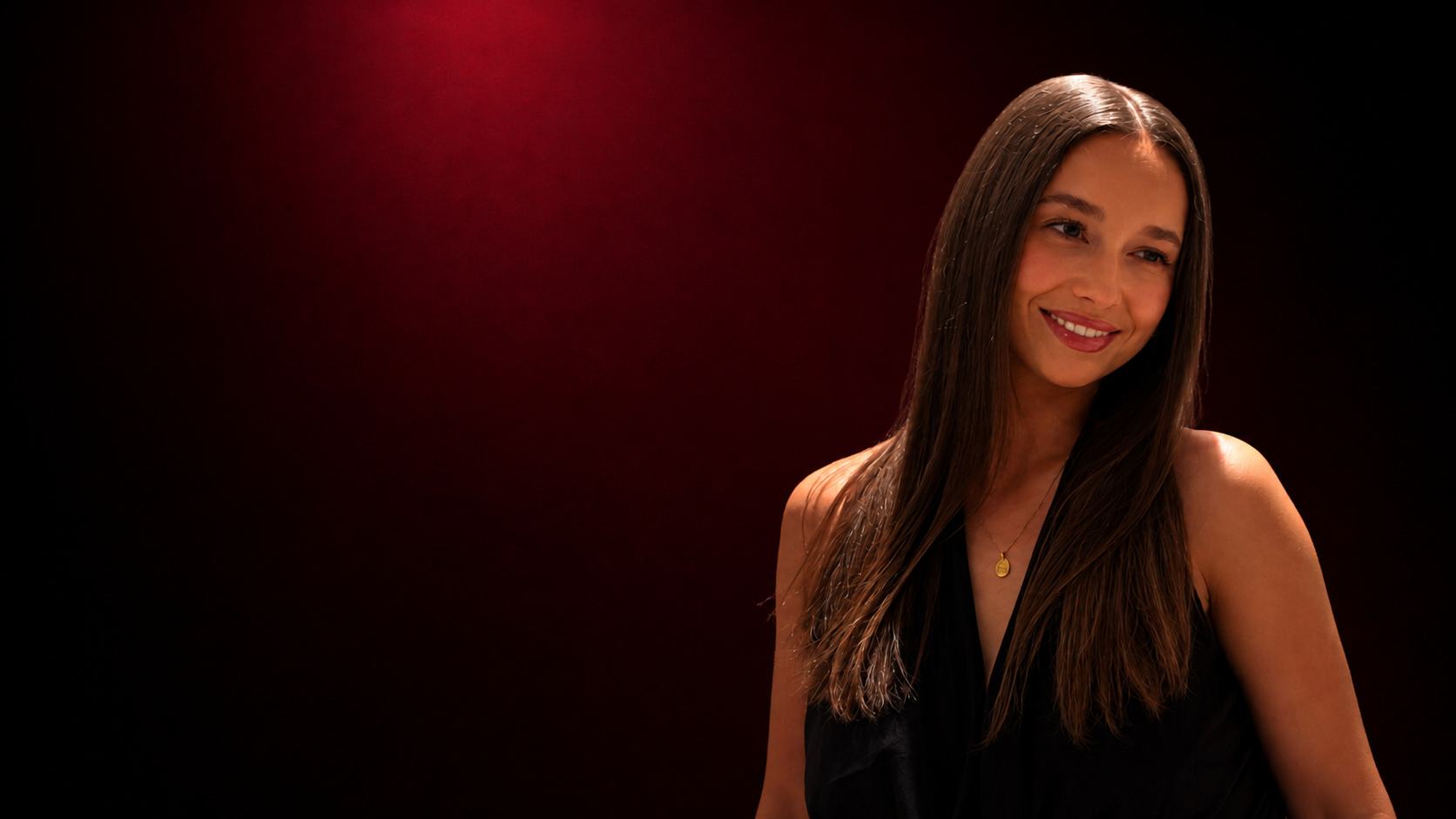
A Melbourne-based creative strategist with experience across paid social, content, creative, and brand. I build the strategy behind the work: the hooks, formats, testing rhythm, brand feeling, and repeatable system.
My strongest work sits where creative strategy and performance data meet. I care about the small human signals: the line in a review, the comment that keeps repeating, the visual format people stop on, the trust cue that makes a brand feel safer to choose.
My work sits between creative direction and commercial outcome. I want the idea to feel sharp, the content to feel native, and the performance story to be clear enough that the next move is obvious.
My next chapter at a brand I genuinely love, with people I can collaborate with and grow alongside.
Across paid, organic, and brand — built by developing the strategy, the systems, and the creative.
Meta + Google spend, optimised down from $120K while increasing lead volume.
Down from $60–$100. Achieved through the in-house creative system, not media optimisation alone.
300%+ increase on the previous weekly baseline.
From 0.89% — a 7x improvement on link-click conversion.
From ~40% after a sharper funnel and creative-to-landing alignment.
Leads generated from a single high-performing ad in a week — repeatable proof of the content system.
Up from ~20 — a 5x increase driven by content volume and consistency.
Sustained organic social engagement — well above the 1–3% industry benchmark.
Up from 5 — 10x growth through organic content and community strategy.
Generated through paid media, with earned features in The Age and the Australian Financial Review — plus partnership conversations including Melbourne Airport, from a standing-start launch.
A short list, picked for range — a DTC creative system, an acquisition pivot, an internal experience overhaul, and a seven-day go-to-market. Different problems, same pattern: the breakthrough came from the system behind the work.
easykind was running creative through an agency. Performance had plateaued and the work wasn't connecting — the brand and the ads didn't feel like the same company.
I identified that the creative wasn't working hard enough and ran a controlled test: in-house creative vs agency output. In-house outperformed. I took the findings to the CMO and CEO, made the case for building an internal function, and got the green light. From there I built the creative and paid social team from scratch, alongside a content strategy system designed to produce high-quality creative at volume — consistently, not in bursts.
CPL dropped from ~$100 to $30 within a month. As costs came down, lead volume grew from 1,000 to between 1,500 and 2,000 per week — the creative system became the infrastructure everything else ran on.
The business identified that the 45+ age group represented the highest lifetime value — but acquisition was skewing under 35, and CPL for older brackets sat above $120.
I built a dedicated creative marketing strategy for the 45+ group from scratch. That meant deep audience research into their real friction points — affordability pressure, unmanaged chronic conditions, and scepticism toward telehealth — and developing a full creative approach tailored to how this group needed to be reached and spoken to.
CPL for the 45+ bracket dropped from $120+ to $51. Lead volume grew from 75 to 243 per week. As the highest-CPL segment came down, it pulled overall acquisition costs down with it — making it one of the highest-leverage moves across the whole account.
Practitioner recruitment and retention had been flagged as the biggest pressure point across the whole business — it was the primary focus at leadership level.
I audited the full practitioner journey — recruitment, onboarding, and retention — and built and implemented a strategy to address each stage. The work connected operational detail with creative messaging so the experience matched what the brand was promising externally. Practitioners weren't just being recruited — they were being given a reason to stay.
Practitioner NPS reached 90. Dropout decreased and retention improved. easykind became known within the practitioner community as the ethical, mission-driven choice — and unlike others in the category, practitioner supply was never a problem.
POLYROK needed to launch from a standing start with no built-in awareness, no slow warm-up period, and a compressed window to create proof quickly.
I built the launch around a tight go-to-market story, clear media angles, and partnership relevance. The aim was to make the idea easy to understand, repeat, and pick up quickly. The launch system focused on momentum: message clarity, credibility signals, and outreach that could turn early attention into bigger conversations.
POLYROK generated 2M impressions in seven days and earned features in The Age and the Australian Financial Review. The go-to-market strategy opened partnership conversations with Melbourne Airport within the launch window.
Operating under some of Australia's strictest advertising restrictions — we couldn't name the product, claim a benefit, or reference an outcome — every piece of paid and organic creative had to work harder. The work below shows how we turned constraints into repeatable creative formats.
High-intent creative built to stop the scroll, test the message, and move the right metrics.
Culture-first content designed to build trust, create familiarity, and keep the brand moving between campaigns.
A capability system across strategy, creative, performance, content, and brand. The strength is how those pieces work together.
I develop the creative thinking behind campaigns — the concepts, the angles, the formats, and the frameworks that make content perform. I think about what a brand needs to say, and find the most compelling way to say it.
Partnering with performance teams across $60-100K weekly spend, with creative built to improve acquisition efficiency.
Content systems that work across channels — connecting paid, organic, and brand into one cohesive story. From shoot briefs to publishing calendars, I think about content as a machine, not a series of one-offs.
How a brand shows up, what it stands for, and how every piece of content ladders back to that. I've worked across brand refreshes, positioning, and making sure the creative always feels like one consistent brand.
Paid social across Meta, Google, LinkedIn, and TikTok — and organic strategies that pull their weight too. At easykind, organic grew to over 10% of total weekly leads with a 7%+ engagement rate.





The operating principles behind the work: audience truth, creative judgement, performance signals, and systems that keep improving.
I start with what people are actually saying: in reviews, communities, comments, support tickets, and sales conversations. That tension is where the strongest creative territories usually begin.
My strongest work sits where creative strategy and performance data meet. I use results to sharpen the next idea, not flatten it.
I build repeatable structures for content, campaigns, testing, and team rhythms, so good work is easier to produce again and easier to improve over time.
I look for the business problem underneath the marketing problem, then bring the right people, evidence, and decision-makers into the room.
Senior creative marketer open to full-time roles across creative strategy, content, brand, and performance-led growth. Based in Melbourne, looking for a team where creative thinking and performance sit at the same table.